Guide
Commercial Real Estate Photography in San Diego: A Practical Guide
Office, retail, industrial and hospitality each tell a different story. Here is how commercial photography and video differ from residential, and how to scope a shoot.
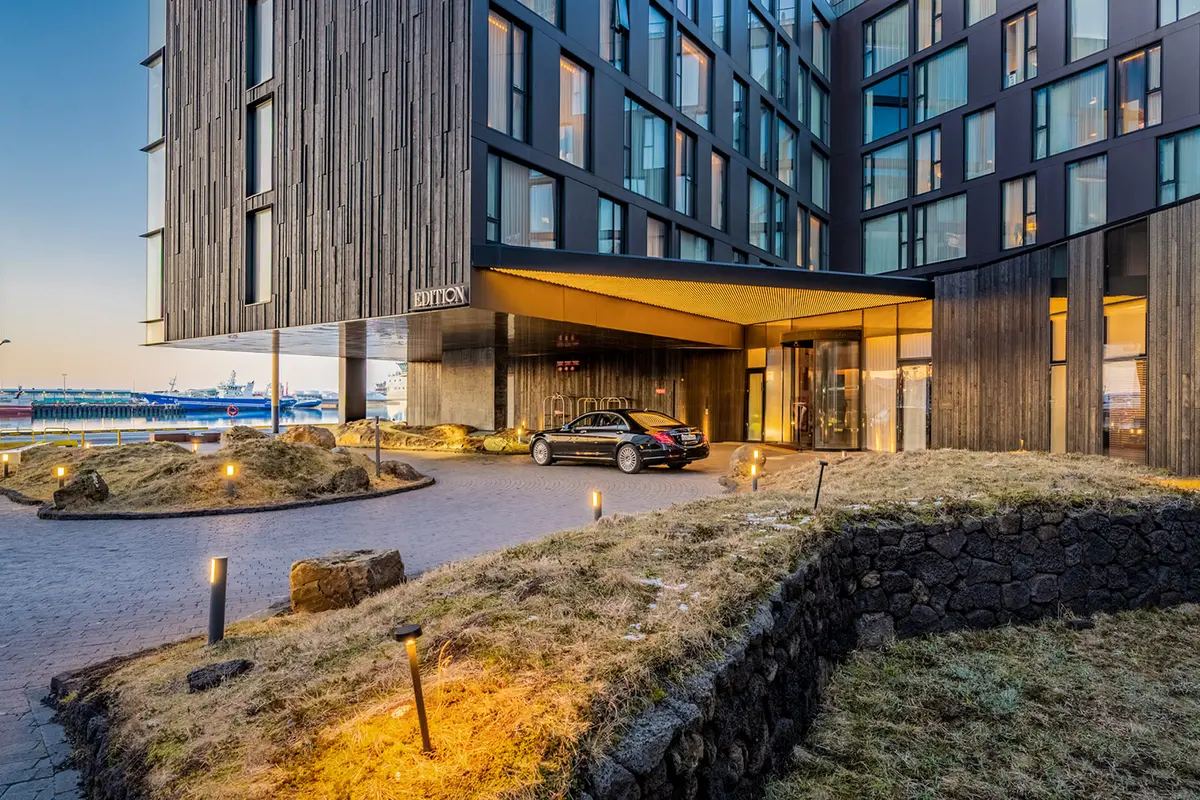
Commercial real estate marketing answers different questions than residential. A buyer or tenant is weighing scale, access, condition and location, so the photography has to communicate all of it clearly and professionally.
How commercial photography differs from residential
- Scale matters. Wide, clean frames and aerials show footprint, parking and access.
- Function over styling. The goal is to show a space works for its purpose, not to stage a living room.
- Location context. Aerials place a property relative to freeways, ports, airports and trade areas.
- Mixed asset types. Office, retail, industrial and hospitality each need a tailored approach.
What a commercial shoot can include
- Professional interior and exterior photography.
- Aerial photos and video for footprint and location.
- Cinematic video for marketing and investor packages.
- 3D tours for remote tenants and buyers.
For commercial assets, aerials and video often do more than interior stills, because location and scale are the pitch.
How commercial pricing works
Because commercial projects vary so much by asset type, size and scope, they are quoted per project rather than off a residential calculator. The best starting point is a quick conversation about the property and the goal. See examples and start a project on our commercial real estate media page.
Market a commercial property the right way
Tell us about the asset and we will scope the right photo and video coverage.
Related reading: Drone photography · 3D tours compared